

Moultrie | Georgia | 15-17 October 2024
Blog
-
Woven wire 101
Fence Construction
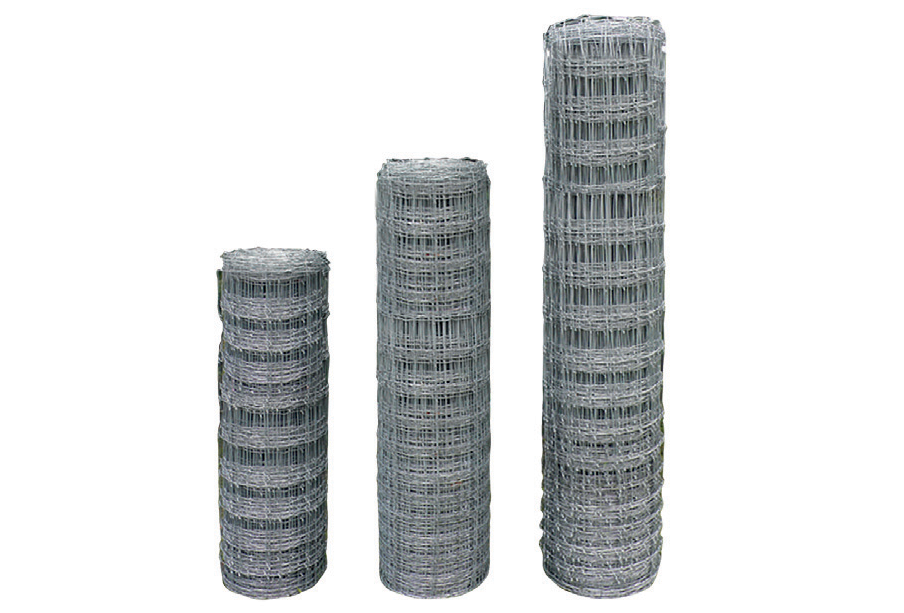
A woven wire fence is made of a number of horizontal wires (line wires) and vertical wires (stay wires) secured by a knot to form a grid pattern. The spacing of the line wires and stay wires, along with the overall height of the fence is one of the important factors in selecting the correct fence for your application, but equally important are the grade of steel wire used, the knot formation, the coating and the overall construction of the fence. Here we examine the choices:
Line Wire
Low Carbon vs High Tensile. Both of these types of steel wire are used in fence construction. There are two properties of the wire that make these options noticeably different. Firstly breaking strength. Typically a 12.5 gauge carbon steel wire will have a breaking strength in the region of 600lbs, compared to 1400lbs for a high tensile wire of the same gauge. Secondly the elongation rate is very different in low carbon steel versus high tensile. A low carbon wire will have an elongation at break of around 14% compared to about 3% for high tensile. In practice an exaggerated comparison would be low carbon is a piece of chewing gum and high tensile a length of elastic. What this means is that a fence constructed from low carbon line wires will stretch more bot on installation and throughout the seasons. This is why heavier top and bottom line wires are needed to stop the fence being overstretched on installation. High tensile needs significantly less ongoing maintenance as its elasticity allows it to better cope with the installation process and the expansion and contraction through temperature change
DEEP LINE WIRE CRIMPS OR TENSION CURVES Fixed Knot and square knot fencing have a deeper crimp on the line wires than conventional fencing. This helps to increase the flexibility of the fence both with temperature changes and after impact, allowing the fence to regain it’s original structure. The deeper crimp also means that the fencing will adjust more easily to uneven terrain.
Knot Types

FIXED KNOT fence uses a third wire that is twisted under pressure around both the vertical and horizontal wires forming the knot and locking the joint tight. This knot provides far greater vertical and horizontal holding strength. Even under heavy pressure, the fence cannot be torn apart unless the pressure is sufficient to cause the wire itself to fail, an extremely unlikely event.

SQUARE KNOT fence employs a continuous stay but has a much smaller compact knot than the fixed knot fence. This is especially useful in the construction of horse fence as their are no sharp edges to the knot as can be the case with the other two knot formations. Whilst not as strong as the fixed knot, the square knot allows for a continuous stay that makes for easier fence installation and it has application in livestock fencing where the pressure on the fence line is not high, such as sheep and goats.

HINGED JOINT fence uses individual pieces of wire between the horizontal line wires, wrapping around to secure them. The fence is a rapid one to manufacture and is commonly made from lower cost low carbon steel, meaning it has become as favourite of the DIY or landowner fence installer.
Stay Wires
SOLID VERTICAL STAYS VS INDIVIDUAL WRAPPED STAYS. The solid vertical stay in fixed-knot and square knot fence gives the fence vertical strength. The fence actually stands unsupported, even before tightening. Continuous stay fencing needs fewer posts giving a significant saving on overall costs. Traditional hinge-joint farm fence has a natural tendency to fold at each knot, causing the fence to sag during installation; a trait not conducive to installing long runs of fence.
Coating
All our fencing wire is produced with Class 3 coating, which is almost triple the zinc rust protection on most conventional commercially galvanized (Class 1) farm fencing.
-
Fence Maintenance
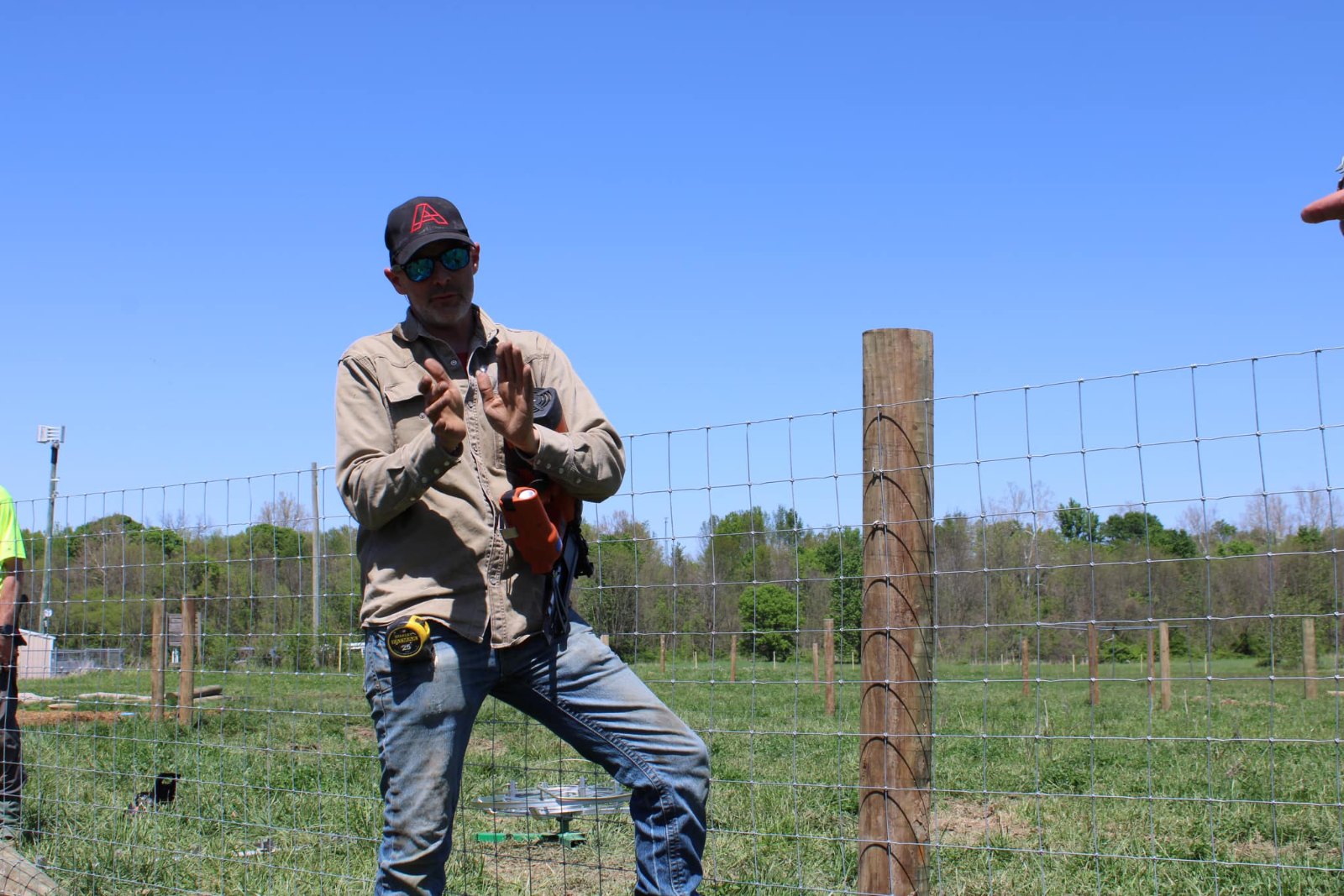
When it comes to maintaining woven wire fences, understanding the difference in maintenance required for low carbon steel fences versus high tensile fences is essential. The primary distinction between the two types lies in their elasticity properties. Low carbon steel essentially behaves like plastic and does not recover when stretched. In contrast, high tensile fences are elastic and can recover after stretching.
To ensure low carbon steel fences remain in top condition, it is critical to carry out regular maintenance activities such as tightening loose wires, repairing damaged areas, and keeping vegetative growth in check. In contrast, high tensile fences need less maintenance due to their elasticity properties. However, it is still necessary to carry out routine inspections and make necessary repairs as needed. Regardless of the type of fence, changes in temperature result in regular stretching and contraction, making it essential to check them frequently to maintain their structural integrity. By carrying out routine checks and maintenance activities, both low carbon steel and high tensile fences can last for many years. -
How to Build a Cattle Fence
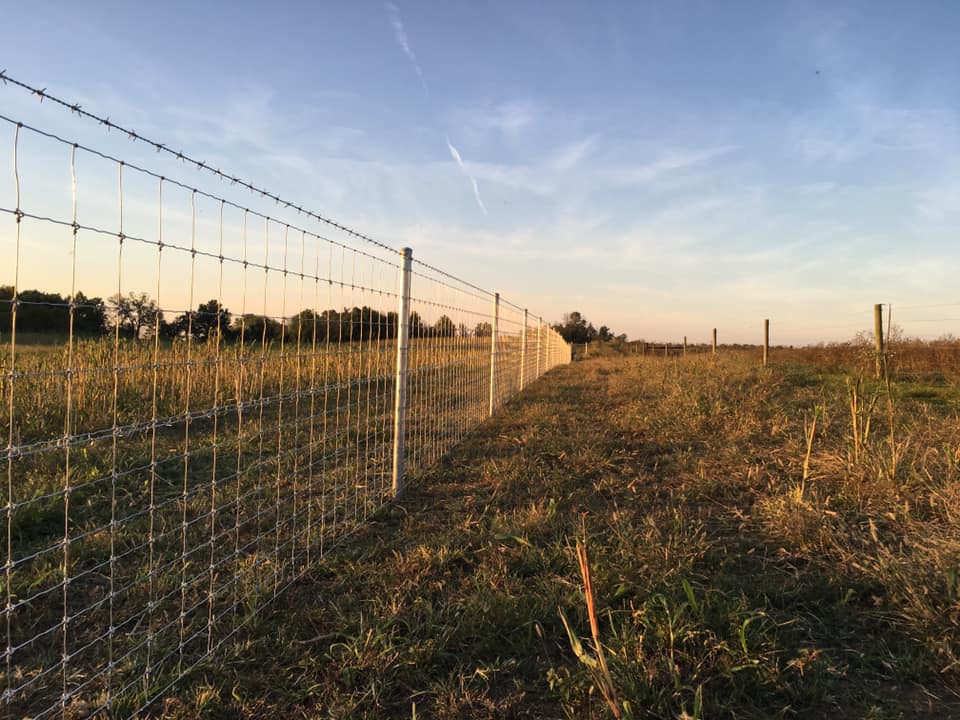
Selecting the right wire fence for cattle involves several important considerations to ensure the safety and containment of your livestock. Here are some key factors to keep in mind:
- Fence Height: The height of your cattle fence is crucial. Depending on the size and breed of your cattle, a typical height for a wire fence ranges from 4 to 6 feet. Taller fences are recommended for larger and more active breeds.
- Fence Strength: Choose a strong and durable wire material, such as high-tensile steel or heavy-gauge woven wire, to withstand the pressure and impact of cattle leaning on or rubbing against it. Electric fencing is also an option to enhance containment and deter cattle from testing the fence.
- Wire Type: Different wire types are available, including barbed wire, smooth wire, woven wire, and high-tensile wire. Each has its own advantages and disadvantages. Woven wire tends to be more secure and durable, while barbed wire is typically less expensive but can be more hazardous to cattle.
- Post Material and Spacing: The type and spacing of fence posts are important for the fence’s structural integrity. Wooden, steel, or fiberglass posts are common choices. The spacing between posts depends on the type of wire used and the terrain. Generally, post spacing should be between 8 to 12 feet apart.
- Bracing: Bracing is essential for corners and gate openings. It provides additional support to prevent the fence from sagging or collapsing under pressure. Proper bracing includes diagonal bracing wires and sturdy corner posts.
- Terrain and Soil Conditions: Consider the terrain and soil conditions on your property. For hilly or rocky terrain, you may need to adjust the fence design and placement of posts. In areas with soft soil, deeper post installation may be necessary to ensure stability.
- Gates and Access Points: Plan for appropriate gate locations for cattle movement and ease of access for feeding, watering, and veterinary care. Use heavy-duty gates that match the strength of the fence.
- Maintenance: Regular maintenance is crucial to keep your cattle fence in good condition. Check for loose wires, damaged posts, and worn insulators if you have electric fencing. Perform repairs as needed to prevent escapes and injuries.
- Legal Regulations: Familiarize yourself with local regulations and zoning laws that may dictate fence height, type, and location. Compliance with these regulations is important to avoid potential legal issues.
- Budget: Consider your budget when selecting a cattle fence. While it’s important to invest in a sturdy and safe fence, there are various options available at different price points. Evaluate the cost of materials, installation, and ongoing maintenance.
- Predators: Depending on your location, you may need to consider protection against wildlife or predators. Electric wires placed at the bottom and top of the fence can deter both cattle from pushing through and predators from entering.
Consult with a fencing professional or agricultural extension service for guidance specific to your region and cattle type. They can provide valuable insights and recommendations to help you choose the most appropriate wire fence for your cattle.